
Best overall approach: address tinnitus and stress together, rather than choosing a supplement as treatment. Among supplements for stress-related tinnitus, vitamin B12 is relevant to confirmed B12 deficiency, magnesium and zinc require a clear nutritional reason, and ear wellness gummies belong in an optional everyday routine—not a tinnitus treatment plan—in 2026.
- No supplement is an established treatment for stress-related tinnitus; assessment and stress support come first.
- Vitamin B12 supplements make sense for confirmed deficiency, not as a general ear-ringing remedy.
- Tinniva Ear Health Gummies are an everyday ear wellness option, not a proven tinnitus treatment.
- Choose magnesium or zinc for a nutritional need, not a promise to quiet tinnitus.
Why this matters
Stress can make tinnitus feel more intrusive, and tinnitus can make it harder to relax. That connection does not establish a vitamin or mineral deficiency, and it does not mean a supplement will reduce the sound you hear.
Tinniva sells ear wellness supplement gummies. Tinniva Ear Health Gummies suit adults seeking a gummy-format ear wellness supplement, not a treatment for tinnitus. That distinction keeps the buying decision separate from the medical question.
The National Institute on Deafness and Other Communication Disorders explains that supplements advertised for tinnitus have not been proven effective. Its tinnitus guidance describes options including sound-based approaches, hearing aids when appropriate, and behavioral support. Those address a different need from everyday nutritional supplementation.
For your 2026 decision, separate two questions: do you need help managing tinnitus, and do you have a nutritional reason to take a supplement? One purchase should not stand in for both answers.
What makes the best supplements for stress-related tinnitus?
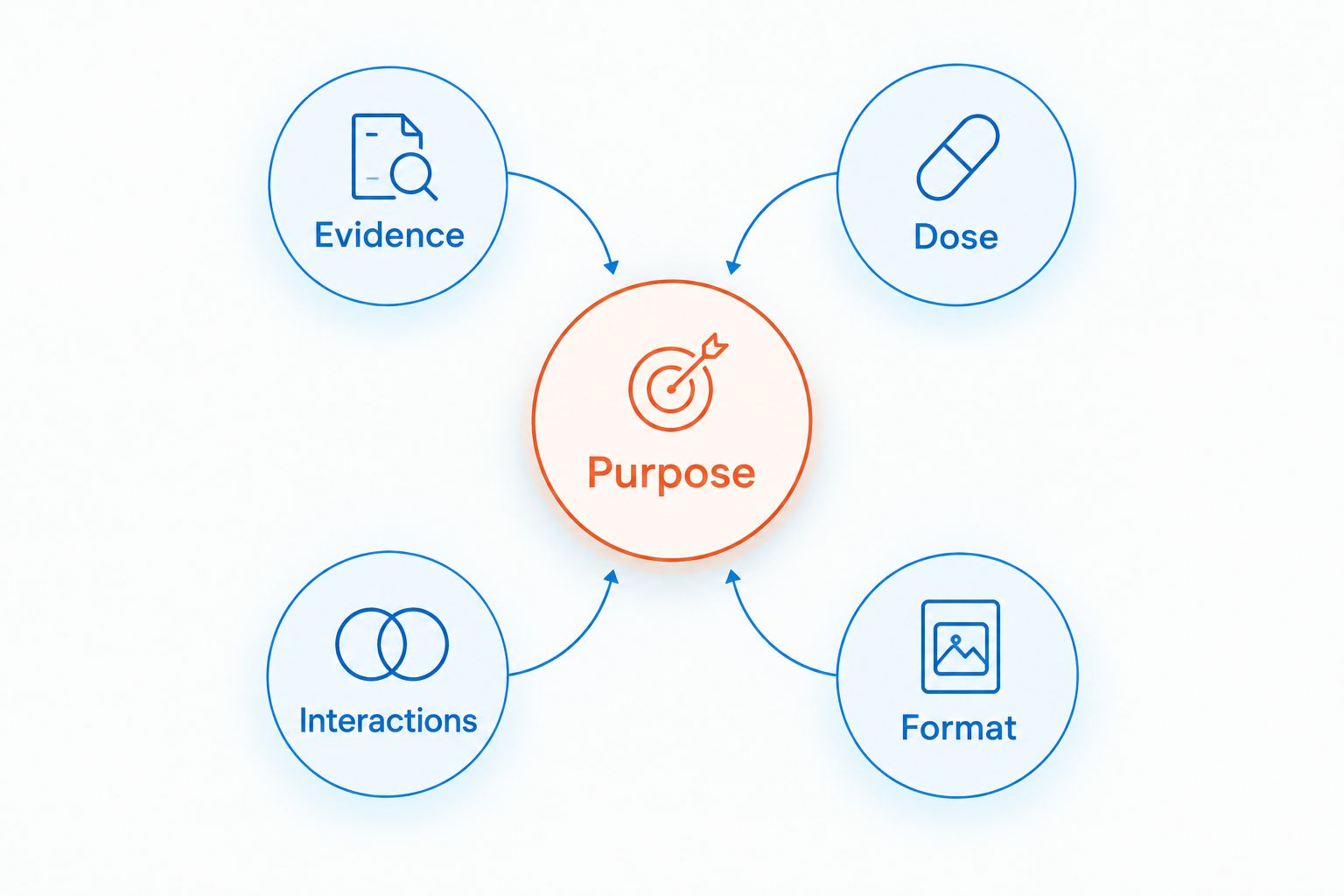
A useful supplement comparison starts with the reason to take each option, not the strength of its advertising. Use these criteria before choosing a product:
- Purpose: Identify whether you want everyday wellness support or correction of a confirmed deficiency. Neither label establishes tinnitus relief.
- Evidence: Look for evidence that matches the claimed outcome. A nutrient's normal role in the body is not proof that taking more reduces ear ringing.
- Dose: Read the amount per serving and the serving instructions. Include other supplements when checking your total intake.
- Interactions: Ask a pharmacist about prescription medicines, nonprescription medicines, and existing supplements.
- Format: Choose something you can take as directed. Gummies, capsules, and tablets are delivery formats, not measures of effectiveness.
These criteria work together. Start with purpose and evidence; then check dose, interactions, and format before deciding whether to buy anything.
Supplements at a glance: the 2026 shortlist
The order below prioritizes a defined nutritional need before a general wellness preference. It is not a ranking of proven tinnitus treatments; none of these options earns that label.
| Option | Best for | Standout feature | Key limitation |
|---|---|---|---|
| Vitamin B12 | Confirmed B12 deficiency | Addresses a specific nutrient need | Does not establish tinnitus relief |
| Magnesium | Clinician-identified magnesium need | Allows targeted mineral supplementation | Supplemental intake needs safety checks |
| Zinc | Confirmed zinc deficiency | Addresses a defined dietary shortfall | Excess intake can cause copper deficiency |
| Tinniva Ear Health Gummies | Adults seeking gummy-format ear wellness support | Daily ear wellness supplement format | Not a proven tinnitus treatment |
Choose by need, not by rank. If you have no identified deficiency and your main goal is quieter tinnitus, the next step is tinnitus care—not automatically the last item in the table.
1. Vitamin B12: best for confirmed B12 deficiency
Vitamin B12 supplements address inadequate B12 status. That is a separate purpose from treating tinnitus, even when someone experiences both at the same time.
The NIH Office of Dietary Supplements lists 2.4 micrograms per day as the recommended intake for most adults outside pregnancy and breastfeeding. This is a nutrition reference, not a tinnitus dose and not a treatment dose for established deficiency.
Vitamin B12 pros:
- Gives supplementation a defined purpose when deficiency is confirmed.
- Supports an individualized plan based on the reason for low B12.
- Separates a nutritional problem from an unsupported tinnitus claim.
Vitamin B12 cons:
- Correcting a deficiency does not guarantee tinnitus improvement.
- The right treatment depends on why B12 is low, including absorption problems.
- A general adult intake target does not tell you how to treat deficiency.
Best for: Adults whose clinician has identified B12 deficiency or another clear reason for supplementation.
If you suspect low B12, discuss your diet, medicines, symptoms, and testing with a clinician. Do not select a high-dose product solely because its label mentions nerves or hearing; those words do not establish an effect on tinnitus.
Verdict: Buy for an identified B12 need; skip B12 as a stand-alone tinnitus remedy.
2. Magnesium: best for a clinician-identified magnesium need
Magnesium is an essential mineral involved in normal muscle and nerve function. Its role in the body does not establish magnesium supplements as treatment for stress-related tinnitus.
For adults, the NIH Office of Dietary Supplements lists an upper limit of 350 milligrams per day from supplements and medicines unless a healthcare professional directs otherwise. This limit excludes magnesium naturally present in food and is not a recommended tinnitus dose.
Magnesium pros:
- Offers a targeted option when supplementation has a clear nutritional purpose.
- Lets you check a specific mineral amount against your existing routine.
- Keeps a magnesium decision separate from multi-ingredient ear-health marketing.
Magnesium cons:
- Supplemental magnesium can cause diarrhea and abdominal discomfort.
- Kidney disease requires particular caution because magnesium can accumulate.
- Magnesium can interfere with absorption of certain medicines, including some antibiotics.
Best for: Adults advised to supplement magnesium after a review of diet, health conditions, and medicines.
Check more than the front label. Magnesium can appear in products marketed for sleep, digestion, or general wellness, so adding another bottle can duplicate your intake without making that obvious.
If stress is your main concern, discuss stress support directly rather than assuming a mineral supplement will solve it. A calmer routine and a magnesium purchase are not interchangeable decisions.
Verdict: Hold until there is a clear nutritional reason and a safety check.
3. Zinc: best for confirmed zinc deficiency
Zinc supplementation is relevant when you need to correct inadequate zinc intake or deficiency. It is not an established treatment for tinnitus simply because zinc plays roles in normal body function.
The NIH Office of Dietary Supplements gives adults an upper intake limit of 40 milligrams per day from all sources. That includes food and supplements; it is a safety ceiling, not a daily target or a tinnitus recommendation.
Zinc pros:
- Addresses a specific nutrient shortfall when one is identified.
- Provides a measurable amount you can compare across supplement labels.
- Has a clear nutritional purpose independent of tinnitus marketing.
Zinc cons:
- Excess zinc can cause nausea and other digestive symptoms.
- Taking too much zinc over time can interfere with copper absorption.
- Zinc interacts with certain medicines and requires a timing review.
Best for: Adults with confirmed deficiency or a clinician-directed reason to supplement zinc.
Look at multivitamins and other wellness products before adding separate zinc. The total matters more than the amount on any single bottle, and a higher-strength product is not automatically a better choice.
Do not use the upper limit as a goal. If your diet already supplies enough zinc, adding more does not establish an ear-health benefit.
Verdict: Buy for an identified zinc need; skip routine high-dose use for ear ringing.
4. Tinniva Ear Health Gummies: best for a gummy wellness routine
Tinniva Ear Health Gummies are marketed as a convenient daily ear wellness supplement. The product fits a format preference: you want gummies as part of an everyday ear-health routine.
That positioning is different from evidence of tinnitus relief. Treat the product as optional wellness support, not as a substitute for hearing assessment, tinnitus care, or help with stress.
Gummy option pros:
- Offers a gummy format for adults who prefer it to capsules or tablets.
- Has an explicitly stated everyday ear wellness purpose.
- Fits a supplement decision that stays separate from medical treatment.
Gummy option cons:
- Is not a proven treatment for stress-related tinnitus.
- Still requires review of the full ingredient list and serving directions.
- Adds another supplement to assess alongside your existing routine.
Best for: Adults seeking a gummy-format ear wellness supplement who understand its limits.
Before choosing any ear wellness gummy, check ingredient amounts, allergens, warnings, and overlap with your other supplements. A category name such as ear health does not tell you whether the contents fit your individual needs.
Do not assume gummies contain B12, magnesium, zinc, or any other ingredient discussed here. Confirm the current label rather than transferring facts from a general ingredient guide to a specific product.
Verdict: Hold until the label fits your needs; skip if your goal is tinnitus treatment.
How this 2026 shortlist is ranked
This shortlist uses purpose, evidence, dose, interactions, and format—not testimonials or promises of fast relief. B12, magnesium, and zinc each have a defined nutritional role, but that does not make them interchangeable tinnitus supplements.
The safety figures come from NIH Office of Dietary Supplements fact sheets covering adult B12 requirements and adult magnesium and zinc upper limits. The tinnitus-treatment distinction follows National Institute on Deafness and Other Communication Disorders guidance. These references support nutrition and safety decisions, not a claim that these supplements quiet tinnitus.
No product-specific clinical comparison is presented here. The gummy option appears for its stated wellness purpose and format, not because it has demonstrated better tinnitus outcomes.
What to do before buying a supplement
Start with the symptom, not the shopping cart. Tinnitus that feels worse during stress still deserves attention on its own terms.
- Describe the tinnitus. Note whether it affects one ear or both, whether it follows your heartbeat, and whether hearing has changed. These details help a clinician direct the assessment.
- Review your routine. Bring a list of medicines and supplements, including sleep products and multivitamins. Do not stop prescribed medicine without medical advice.
- Discuss hearing and stress. Ask whether a hearing evaluation, sound-based support, or cognitive behavioral therapy fits your situation. Behavioral support addresses tinnitus-related distress; it is not a promise to erase the sound.
- Choose nutrition support separately. If a deficiency or dietary need is identified, select supplementation for that purpose and follow the recommended plan.
Sudden hearing loss with tinnitus needs urgent medical assessment. Tinnitus that follows your heartbeat, stays in one ear, or occurs with significant dizziness also warrants medical evaluation rather than a supplement experiment.
For a 2026 wellness routine, keep expectations specific. Taking a supplement consistently does not turn it into a tinnitus treatment, and changes in day-to-day ringing do not by themselves prove that a product caused the difference.
Which supplement should you choose?
The default choice is no tinnitus-targeted supplement until you have a clear reason to take one. If B12 or zinc deficiency is confirmed, address that deficiency. If magnesium supplementation is advised, check the dose and interactions before adding it.
If you simply prefer an ear wellness gummy, make that a separate, optional purchase. Keep the same safety checks you would apply to any dietary supplement, and keep tinnitus care in place.
The strongest decision is not the longest ingredient list. It is matching a specific need to an appropriate next step without asking a wellness product to do the job of treatment.
FAQ
What's the best supplement for stress-related tinnitus?
No supplement is established as the best treatment for stress-related tinnitus. Choose supplementation for an identified nutritional need, and seek support for tinnitus and stress separately.
Can vitamin B12 stop ringing in my ears?
Vitamin B12 is not a proven general treatment for ear ringing. Treating confirmed B12 deficiency addresses a nutritional problem but does not guarantee that tinnitus improves.
Is magnesium better than zinc for tinnitus?
Neither magnesium nor zinc is established as a better tinnitus treatment. The relevant choice depends on a nutritional need, your medicines, and your health conditions.
Are ear wellness gummies a treatment for tinnitus?
Ear wellness gummies are dietary supplements, not established tinnitus treatments. Review the full label and do not use them instead of hearing assessment or recommended care.
Can stress make tinnitus feel louder?
Stress can make tinnitus feel more noticeable or distressing. Support for stress and tinnitus-related distress can be useful without implying that stress is the only cause.
Should I take B12, magnesium, and zinc together?
Do not combine these supplements automatically for tinnitus. Review your total intake and medicine interactions with a clinician or pharmacist, then supplement only for a clear purpose.
When should I seek medical help instead of trying supplements?
Seek urgent medical assessment for sudden hearing loss with tinnitus. Tinnitus that follows your heartbeat, persists in one ear, or occurs with significant dizziness also needs medical evaluation.
One last thing
Before you buy, write down the outcome you expect. If the answer is less ringing, better sleep, or less distress, bring that exact goal to a clinician rather than translating it into a supplement order.
For your 2026 plan, distinguish nutrient correction, everyday wellness, and tinnitus care. They can exist in the same routine, but they are not the same thing.