
Best for a gummy-based wellness routine: Tinniva Ear Health Gummies. Best for a confirmed vitamin B12 deficiency: clinician-directed vitamin B12. Best for a confirmed zinc deficiency: clinician-directed zinc. Choosing an ear health supplement for daily use in 2026 means matching the product to your needs—not expecting a supplement to treat tinnitus or restore hearing.
- Tinniva Ear Health Gummies suit shoppers seeking an ear health supplement for daily use in a gummy format.
- Vitamin B12 and zinc belong in deficiency-focused decisions, not automatic tinnitus routines.
- Compare ingredient amounts, serving instructions, and medicine interactions before choosing a daily supplement.
- Persistent tinnitus needs assessment; sudden hearing loss needs urgent medical attention.
Why this matters
An ear wellness supplement and a tinnitus treatment are not the same thing. A product can fit your daily routine without having evidence that it reduces ringing, prevents hearing loss, or repairs damage from noise.
That distinction matters when you compare gummies with individual nutrients. Correcting a diagnosed deficiency addresses a nutritional problem; taking additional nutrients without that problem does not establish an ear-health benefit.
For your 2026 decision, separate convenience, nutritional need, and symptom care. Choose a format you can use correctly, check whether the ingredients fit your health situation, and arrange an assessment for new or persistent symptoms.
What makes the best ear health supplement for daily use?
Use these criteria before comparing the options below:
- Clear purpose: The product should describe everyday wellness support without promising to cure tinnitus or reverse hearing loss.
- Readable ingredient amounts: You need the Supplement Facts panel, not just a list of appealing ingredients.
- A suitable format: Gummies, tablets, and capsules are delivery formats. Ease of use does not establish effectiveness.
- A reason to supplement: A confirmed deficiency gives a targeted nutrient a different role from a general wellness product.
- Compatibility: Review medicines, other supplements, allergies, and relevant health conditions before adding a product.
- Evidence boundaries: Research on a nutrient does not automatically prove that a finished supplement improves ear symptoms.
Treat missing label information as a reason to pause. You cannot compare daily exposure, overlapping ingredients, or suitability from front-of-package wording alone.
Ear health supplement options at a glance
This is a use-case ranking, not a claim that these options are interchangeable tinnitus treatments. Each choice answers a different need.
| Option | Best for | Standout feature | Key limitation |
|---|---|---|---|
| Tinniva Ear Health Gummies | A gummy-based ear wellness routine | A daily supplement positioned around everyday ear wellness | Wellness positioning does not establish tinnitus-treatment benefits |
| Vitamin B12 | A confirmed vitamin B12 deficiency | A targeted way to address an identified nutritional need | Extra B12 is not an established tinnitus treatment for people without deficiency |
| Zinc | A confirmed zinc deficiency | A nutrient-specific approach when a clinician identifies a need | Excess intake can cause harm, including copper deficiency |
| Magnesium | A magnesium intake gap identified with a clinician or dietitian | Addresses a nutritional question separate from tinnitus care | Supplemental magnesium can cause diarrhea and requires caution with kidney disease |
Choose by the reason for taking the supplement, not by the longest ingredient list. A targeted nutrient belongs in the routine only when its purpose is clear.
1. Tinniva Ear Health Gummies: best for a gummy wellness routine
This product is a dietary supplement designed for everyday ear wellness support. Its clearest fit is a shopper who prefers gummies and wants an ear-focused addition to an existing wellness routine.
That is a format-and-purpose recommendation, not a clinical ranking. Do not interpret the product's ear wellness positioning as proof that it reduces tinnitus, improves hearing thresholds, or treats an underlying ear condition.
Tinniva Ear Health Gummies pros:
- A gummy option for people who prefer that format.
- An explicit focus on everyday ear wellness support.
- A daily-routine purpose rather than a need to choose separate nutrients yourself.
Tinniva Ear Health Gummies cons:
- The product description alone cannot establish suitability for your medicines or health conditions.
- Choosing a gummy does not establish a benefit for tinnitus or hearing loss.
- You still need to review the complete label before making it part of your routine.
Best for: Adults comparing gummy formats for everyday wellness, with label and medication checks completed before use.
For a 2026 purchase, check the current Supplement Facts panel and directions. Confirm ingredient amounts, allergens, and serving instructions rather than assuming that every ear wellness gummy has the same formula.
Verdict: Consider for routine convenience; skip if your goal is to self-treat tinnitus or hearing loss.
2. Vitamin B12: best for a confirmed B12 deficiency
Vitamin B12 supports normal nerve function and red blood cell formation. When testing and clinical assessment identify a deficiency, a clinician can recommend the appropriate replacement approach and investigate its cause.
This is not the same as recommending B12 to everyone with ringing ears. A deficiency-focused decision starts with your nutritional and medical situation, not a tinnitus product headline.
Vitamin B12 pros:
- Addresses a specific nutritional need when deficiency is confirmed.
- Allows a focused discussion about the amount and form you need.
- Avoids automatically adding a multi-ingredient wellness blend.
Vitamin B12 cons:
- Additional B12 is not an established tinnitus treatment without a relevant deficiency.
- A supplement alone does not explain why a deficiency developed.
- The appropriate replacement approach depends on your circumstances, including absorption problems.
Best for: People whose clinician has identified vitamin B12 deficiency and recommended treatment.
The National Institutes of Health Office of Dietary Supplements lists 2.4 micrograms per day as the recommended intake for most adults. That dietary reference is not a treatment dose for deficiency and is not a tinnitus recommendation.
Bring existing supplement labels to your appointment. A multivitamin or other product can already contain B12, so adding another bottle without reviewing the full routine makes the decision less clear.
Verdict: Use for an identified B12 need; skip as an automatic ear-ringing supplement.
3. Zinc: best for a confirmed zinc deficiency
Zinc is an essential nutrient involved in normal immune function and other body processes. Supplementation has a clear nutritional purpose when a clinician identifies a deficiency and recommends correction.
Zinc is not a default choice for daily ear wellness just because it appears in hearing-related supplement discussions. Your need for zinc and your need for tinnitus assessment are separate questions.
Zinc pros:
- Offers a targeted approach to an identified zinc deficiency.
- Makes the amount of a single nutrient easier to review.
- Supports a focused plan rather than adding unrelated ingredients.
Zinc cons:
- Excess zinc can interfere with copper status.
- Zinc can interact with certain medicines, including some antibiotics.
- A deficiency-focused benefit does not prove a tinnitus benefit for everyone.
Best for: People with an identified zinc deficiency and a clinician-directed plan.
The NIH Office of Dietary Supplements lists 40 milligrams per day as the adult tolerable upper intake level from food and supplements combined. This is a safety boundary, not a daily target or an amount to pursue for ear support; clinician-supervised treatment is a separate situation.
For a 2026 label comparison, count zinc across your full routine. Include multivitamins and other supplements instead of evaluating an ear wellness product in isolation.
Verdict: Use for a confirmed nutritional need; skip routine high-dose self-supplementation.
4. Magnesium: best for an identified dietary intake gap
Magnesium contributes to normal muscle and nerve function. A clinician or dietitian can help you assess whether your diet meets your needs and whether a supplement belongs in your routine.
That nutritional role does not make magnesium an established tinnitus treatment. Choose it to address an identified intake question, not because general nerve-support language sounds like proof of hearing improvement.
Magnesium pros:
- Addresses a specific nutrient intake concern.
- Can be considered alongside food choices rather than replacing them.
- Allows a focused review of amount, tolerability, and medicine interactions.
Magnesium cons:
- Supplemental magnesium can cause diarrhea and abdominal discomfort.
- Kidney disease changes the safety discussion and requires medical guidance.
- Forms and amounts differ, so products are not interchangeable by name alone.
Best for: Adults with an assessed magnesium intake gap who have reviewed supplementation with a qualified professional.
The NIH Office of Dietary Supplements lists 350 milligrams per day as the adult upper limit for magnesium from supplements and medications. Magnesium naturally present in food does not count toward that particular limit, and the limit is not a recommended tinnitus dose.
Read the amount of elemental magnesium on the label. The weight of a magnesium compound is not the same as the amount of magnesium it supplies.
Verdict: Consider for an identified intake gap; skip as a stand-alone tinnitus strategy.
How to choose a daily supplement without overcomplicating it
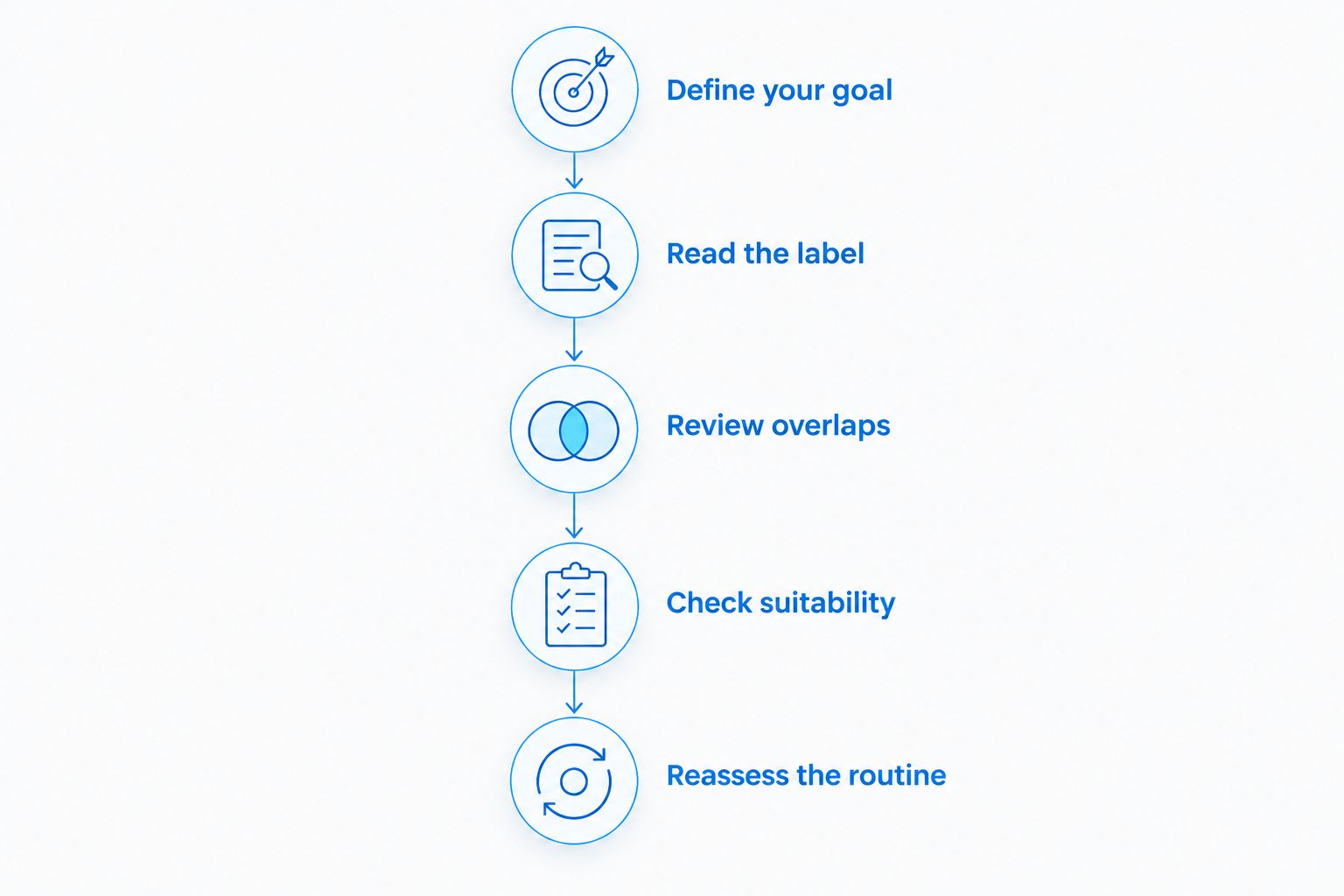
Start with your purpose, then check the label and your existing routine. Use the same process whether you prefer gummies or a single nutrient.
- Define your goal. Separate everyday wellness from correcting a deficiency or seeking help for symptoms.
- Read the label. Check ingredients, amounts, directions, and allergen information.
- Review overlaps. Compare the product with every supplement and medicine you already take.
- Check suitability. Ask a pharmacist or clinician about interactions and relevant health conditions.
- Reassess the routine. Do not keep adding products because an ear symptom persists.
The sequence prevents a common decision error: choosing a format first and asking whether you need its ingredients afterward. A convenient supplement still needs a clear purpose.
Keep the current package or a clear label photo available when asking for advice. A product name alone does not tell a pharmacist which ingredients and amounts you are taking.
How these options are ranked
The ranking prioritizes fit for the stated use case, clarity of purpose, and safety boundaries. It does not assign clinical effectiveness scores or claim that one supplement treats tinnitus better than another.
Gummies lead for a gummy-based wellness routine. Vitamin B12, zinc, and magnesium belong to narrower nutritional decisions. For 2026, the deciding question remains whether the product addresses your actual need—not whether its label mentions ears.
Which ear health supplement should you choose?
Tinniva Ear Health Gummies are a format-based choice for shoppers seeking an ear health supplement for daily use, not a tinnitus treatment. If that matches your purpose, review the current label and check suitability before using them.
If a clinician identifies a deficiency or intake gap, prioritize that specific plan instead of assembling an ear-support stack. If ringing or hearing changes prompted your search, prioritize assessment; a supplement cannot identify the cause.
FAQ
What's the best ear health supplement for daily use?
The best fit depends on your purpose: a gummy for a wellness routine, or a targeted nutrient for an identified nutritional need. No supplement should be selected on the assumption that it will cure tinnitus or restore hearing.
Are ear health gummies proven to stop tinnitus?
Ear health gummies should not be treated as a proven way to stop tinnitus. Everyday wellness wording does not establish that a finished product treats ringing in the ears.
Is vitamin B12 better than an ear wellness gummy?
Vitamin B12 has a clearer purpose when a clinician identifies B12 deficiency. That does not make it a better general ear wellness supplement for everyone or an established tinnitus treatment.
Can I take an ear health supplement every day?
Daily use depends on the product's directions and whether its ingredients are suitable for you. Review the label, other supplements, medicines, and relevant health conditions with a pharmacist or clinician.
Should I take zinc and magnesium together for ear support?
Do not combine zinc and magnesium solely because both appear in ear-support discussions. Establish a reason for each nutrient and review total intake and interactions before adding them.
Are gummies better than capsules for ear wellness?
Gummies are not inherently more effective than capsules for ear wellness. Compare ingredient amounts, suitability, and directions; format mainly answers how you prefer to take a supplement.
When should ringing ears get medical attention instead of a supplement?
New or persistent tinnitus deserves clinical assessment, and sudden hearing loss needs urgent medical attention. Tinnitus with a heartbeat-like rhythm, dizziness, or other new symptoms also warrants prompt evaluation.
One last thing
Daily does not mean indefinitely. At your next medication or wellness review, ask whether each supplement still has a clear purpose rather than renewing the routine automatically.
Protecting your hearing remains separate from taking a supplement. Use appropriate hearing protection around loud sound, and do not use an ear wellness product as a substitute for assessing new symptoms.