
Best match for an everyday ear-wellness gummy: Tinniva Ear Health Gummies. Best for a confirmed nutrient deficiency: a supplement that corrects that deficiency under professional guidance; no supplement is the best overall choice for restoring hearing in 2026.
- Tinniva suits shoppers seeking an everyday ear-wellness gummy, not a treatment for hearing loss.
- Choose supplements for hearing by nutritional need, not promises to stop ringing or restore hearing.
- Vitamin B12, zinc, and vitamin D supplements address different nutritional needs; none is a universal hearing remedy.
- Sudden hearing loss needs urgent medical assessment, not a supplement trial.
Why this matters
Hearing support, tinnitus support, and treatment for hearing loss are different goals. A dietary supplement marketed for ear wellness does not establish that it improves hearing thresholds or reduces ringing.
For your 2026 shortlist, match the supplement to a clear purpose before comparing formats. If you have a nutritional deficiency, correcting it serves a nutritional need. If you have trouble hearing conversations, a hearing assessment addresses a different question that a supplement cannot answer.
The National Institute on Deafness and Other Communication Disorders states that vitamins, herbal extracts, and dietary supplements marketed for tinnitus have not been proven effective. Keep that distinction in view throughout this guide: an ear-wellness product is not an established tinnitus treatment.
What makes the best supplements for hearing?
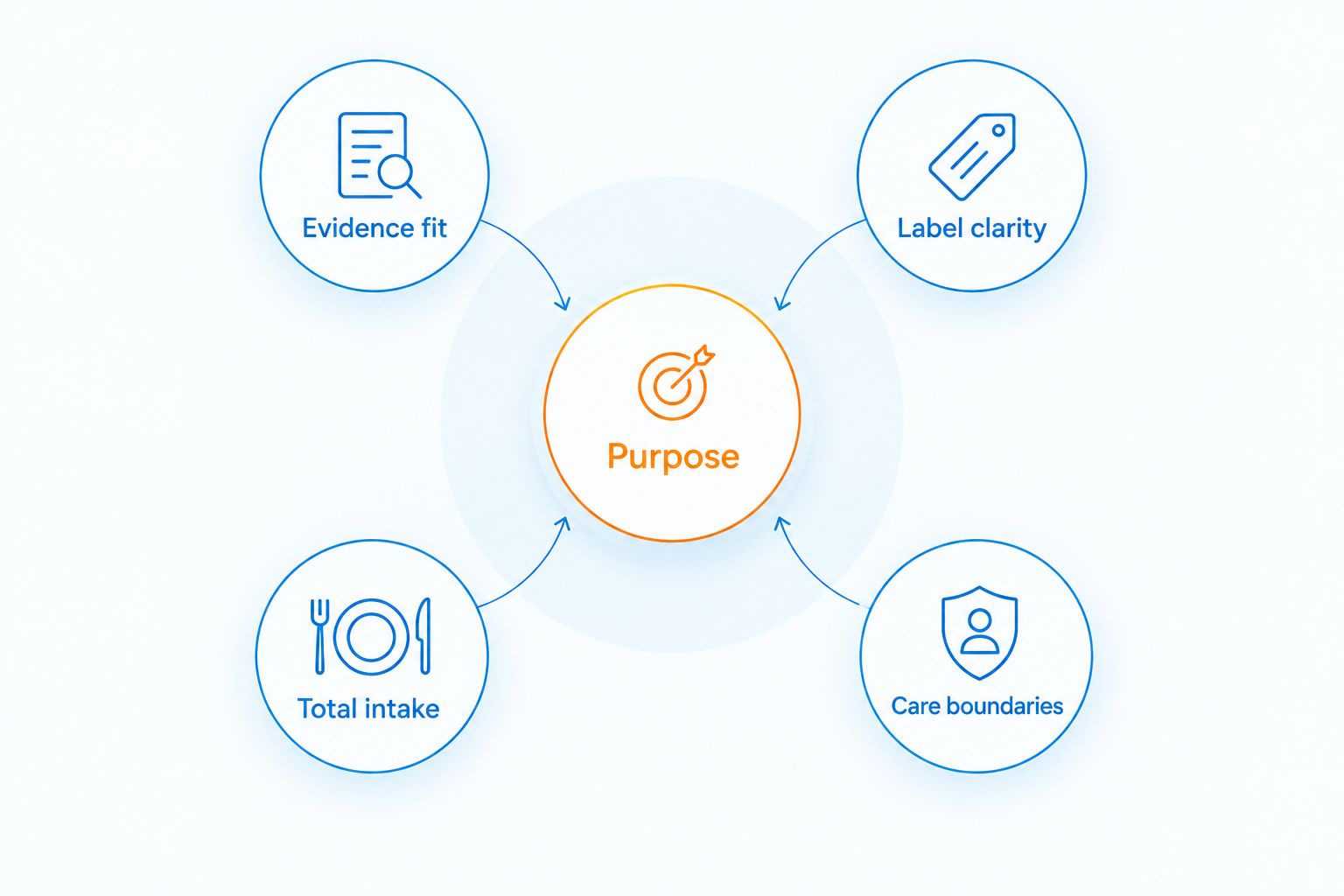
Use these criteria to separate a reasonable wellness purchase from an unsupported hearing claim:
- Purpose: The product should fit everyday wellness or an identified nutritional need, rather than promise restored hearing.
- Evidence fit: Evidence about a nutrient deficiency does not establish a benefit for everyone taking that nutrient.
- Label clarity: Check the ingredients, serving size, directions, and warnings before choosing a product.
- Total intake: Count overlapping nutrients across supplements. More is not automatically better.
- Routine fit: A gummy, tablet, or capsule should suit your preferences without changing your expectations of benefit.
- Care boundaries: A supplement must not delay assessment of new hearing changes, persistent ringing, or other ear symptoms.
These criteria rank suitability for a particular task, not clinical effectiveness. A gummy can fit your routine while still having no established role in treating hearing loss.
Hearing-support options at a glance in 2026
The options below serve distinct needs. None earns a best-overall hearing-treatment label. A product format and a deficiency-directed nutrient are not interchangeable recommendations.
| Option | Best for | Standout distinction | Key limitation |
|---|---|---|---|
| Tinniva Ear Health Gummies | An everyday ear-wellness gummy routine | Marketed specifically for ear wellness and tinnitus-related support | Marketing purpose does not establish hearing or tinnitus benefit |
| Vitamin B12 supplement | Confirmed vitamin B12 deficiency | Addresses a specific nutritional shortfall | Not an established hearing treatment for people with adequate B12 |
| Zinc supplement | Confirmed zinc deficiency | Replaces a mineral when intake or status is inadequate | Excess intake has risks; routine tinnitus supplementation is not recommended |
| Vitamin D supplement | Confirmed vitamin D deficiency | Addresses a separate nutritional need | Does not establish a benefit for hearing or tinnitus |
1. Tinniva Ear Health Gummies: best for an ear-wellness gummy routine
Tinniva sells gummies marketed for everyday ear wellness and tinnitus-related support. The product belongs on this list as an ear-wellness option, not as a proven way to improve hearing or stop ringing.
Tinniva is best suited to shoppers seeking an everyday ear-wellness gummy, not treatment for hearing loss. Choose it for that limited purpose only after checking whether its current label fits your needs.
Tinniva Ear Health Gummies pros:
- The gummy format matches shoppers who prefer that format to tablets or capsules.
- The stated positioning matches an everyday ear-wellness shopping goal.
- The product gives you a specific label to discuss with a pharmacist alongside your other supplements.
Tinniva Ear Health Gummies cons:
- Ear-wellness positioning does not establish that the product improves hearing or tinnitus.
- Choosing a gummy format does not resolve questions about ingredients, dose, or interactions.
- The product cannot replace a hearing assessment or diagnosis.
Best for: An adult seeking a gummy-format wellness product, with realistic expectations and appropriate label review.
Verdict: Hold until you have reviewed the current label and confirmed that you want wellness support rather than treatment.
2. Vitamin B12: best for confirmed B12 deficiency
Vitamin B12 supports normal nerve function and red blood cell formation. A B12 supplement has a clear nutritional purpose when a clinician identifies deficiency or recommends supplementation because of your diet, absorption, or medical history.
That purpose is narrower than a hearing claim. Taking B12 does not establish that ringing will improve or that hearing loss will reverse.
The NIH Office of Dietary Supplements lists an adult recommended intake of 2.4 micrograms per day. That is a nutritional reference, not a tinnitus dose or a deficiency-treatment instruction; treatment needs depend on the reason for deficiency.
Vitamin B12 pros:
- Addresses an identifiable deficiency rather than an undefined hearing-support goal.
- Supports an essential nutrient need.
- Gives your clinician a specific nutritional issue to assess and manage.
Vitamin B12 cons:
- Routine supplementation is not an established hearing treatment when B12 status is adequate.
- The cause of deficiency affects the appropriate treatment approach.
- Choosing a product without assessment can leave the underlying problem unaddressed.
Best for: Someone with confirmed B12 deficiency or a professional recommendation for B12 supplementation.
Verdict: Buy when B12 supplementation is recommended for your nutritional needs; skip it as a hearing-restoration strategy.
3. Zinc: best for confirmed zinc deficiency
Zinc is an essential mineral with roles in immune function and other normal body processes. Supplementing zinc makes sense when a clinician identifies a deficiency or a specific reason that your intake needs attention.
Zinc does not earn a routine tinnitus recommendation. The American Academy of Otolaryngology–Head and Neck Surgery Foundation's clinical practice guideline recommends against dietary supplements, including zinc, for treating persistent, bothersome tinnitus.
The NIH Office of Dietary Supplements sets the adult tolerable upper intake level at 40 milligrams per day from all sources. This is a ceiling for general use, not a target; medically supervised treatment is a separate situation.
Zinc pros:
- Addresses a specific mineral deficiency when one is present.
- Provides a defined nutrient to evaluate against your diet and other supplements.
- Makes total intake easier to assess than an unspecified wellness blend.
Zinc cons:
- Routine zinc supplementation is not recommended as a treatment for persistent, bothersome tinnitus.
- Excessive intake can interfere with copper status.
- Zinc interacts with some medicines, including certain antibiotics.
Best for: Someone with confirmed zinc deficiency and a plan for dose and follow-up.
Verdict: Skip for routine tinnitus support; use zinc for a documented nutritional reason under appropriate guidance.
4. Vitamin D: best for confirmed vitamin D deficiency
Vitamin D supports calcium absorption and bone health. A supplement has a nutritional role when a clinician identifies deficiency or another reason for supplementation.
Do not turn that role into a promise about hearing. Correcting vitamin D deficiency and treating hearing loss are different objectives, and a supplement should be chosen for the objective it can reasonably address.
The NIH Office of Dietary Supplements lists the adult upper intake level as 100 micrograms per day, equivalent to 4,000 international units per day. Neither figure is a hearing-support dose or a recommended target.
Vitamin D pros:
- Addresses a recognized nutritional need when deficiency is present.
- Supports established functions outside hearing, including calcium absorption.
- Can be selected with attention to your existing supplements and clinician's advice.
Vitamin D cons:
- Vitamin D is not an established treatment for hearing loss or tinnitus.
- Excessive supplementation can cause harm, including high blood calcium.
- Taking multiple products can unintentionally increase total intake.
Best for: Someone advised to supplement vitamin D for a nutritional or medical reason, not for an unverified hearing claim.
Verdict: Buy for an identified vitamin D need; skip it as a standalone hearing-support strategy.
How these options were ranked
This 2026 ranking puts purpose before product popularity. An ear-wellness gummy serves a format preference; B12, zinc, and vitamin D serve distinct nutritional needs when supplementation is indicated.
The criteria are evidence fit, label clarity, total intake, routine fit, and care boundaries. A higher position does not mean stronger evidence for improving hearing: this is a suitability guide, not a ranking of proven hearing treatments.
The nutritional reference values come from NIH Office of Dietary Supplements fact sheets for adults. The tinnitus treatment boundary comes from NIDCD guidance and the otolaryngology foundation's clinical practice guideline, not from supplement marketing.
Check the label before choosing
Start with everything you already take. Include multivitamins, single-nutrient products, and wellness blends so that you can spot repeated ingredients rather than assessing each bottle in isolation.
Then review these points with a pharmacist or clinician:
- Serving size: Read the amount per serving, not just the amount shown prominently on the package.
- Repeated nutrients: Add overlapping ingredients across your daily products.
- Medicine interactions: Ask about your actual prescription and nonprescription medicines.
- Health conditions: Check whether pregnancy, kidney problems, or other conditions change the advice.
- Reason for use: State whether you want general wellness support, deficiency correction, or help with symptoms.
Do not use the adult upper limits above to design a supplement regimen. They describe safety boundaries for general intake, not amounts that make supplements work better.
Which supplements for hearing should you choose?
The default choice in 2026 is no new supplement solely to improve hearing. If you notice hearing difficulty, arrange an assessment; if you have a confirmed deficiency, choose the nutrient and treatment plan that address it.
For everyday wellness, Tinniva offers an ear-wellness gummy format. Keep that choice separate from expectations about treating tinnitus, repairing hearing damage, or replacing professional care.
Write down your intended result before ordering. If your goal is fewer missed words in conversations or less intrusive ringing, discuss that goal with a hearing professional rather than judging a supplement by its category name.
FAQ
What's the best supplement for hearing in 2026?
No supplement is the best overall choice for improving hearing. If you have a confirmed nutrient deficiency, appropriate supplementation addresses that deficiency; hearing difficulty still deserves assessment.
Are Tinniva gummies a treatment for tinnitus?
Tinniva gummies are marketed for ear wellness and tinnitus-related support, not established here as a proven tinnitus treatment. Do not substitute a wellness product for assessment of persistent or changing symptoms.
Does vitamin B12 help with hearing loss?
Vitamin B12 supplementation treats a nutritional need when deficiency is present, but it is not an established general treatment for hearing loss. A clinician can assess whether B12 is relevant to your health.
Should I take zinc for ringing in my ears?
Do not choose zinc as a routine treatment for persistent, bothersome tinnitus. The American Academy of Otolaryngology–Head and Neck Surgery Foundation recommends against dietary supplements, including zinc, for that purpose.
Is vitamin D better than an ear-health gummy?
Neither option is universally better because they address different purposes. Vitamin D supplementation addresses a nutritional need when indicated; an ear-health gummy is a wellness product whose specific label needs review.
Can I combine hearing supplements with a multivitamin?
Check the combined ingredients and amounts before combining supplements. A pharmacist can identify overlapping nutrients and medicine interactions using the actual labels.
Should I try supplements for sudden hearing loss?
No. Sudden hearing loss is a medical emergency and needs urgent medical assessment, according to NIDCD guidance; do not wait to see whether a supplement helps.
One last thing
A gummy is a delivery format, not an evidence standard. For your 2026 decision, ask what the product is intended to do, what supports that use, and what symptom still needs professional attention.
If your hearing changes suddenly, put the supplement decision aside and seek urgent care. That distinction matters more than any position on a ranked list.